Blog
Home

Blog

  • What are the characteristics of fine white aluminum paste?
    Apr 21, 2025
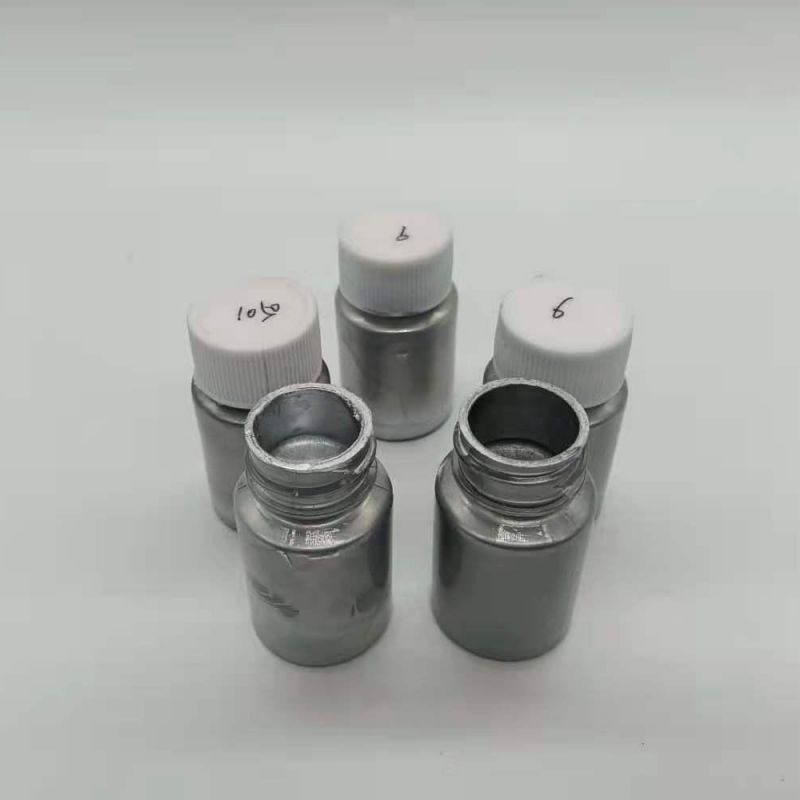
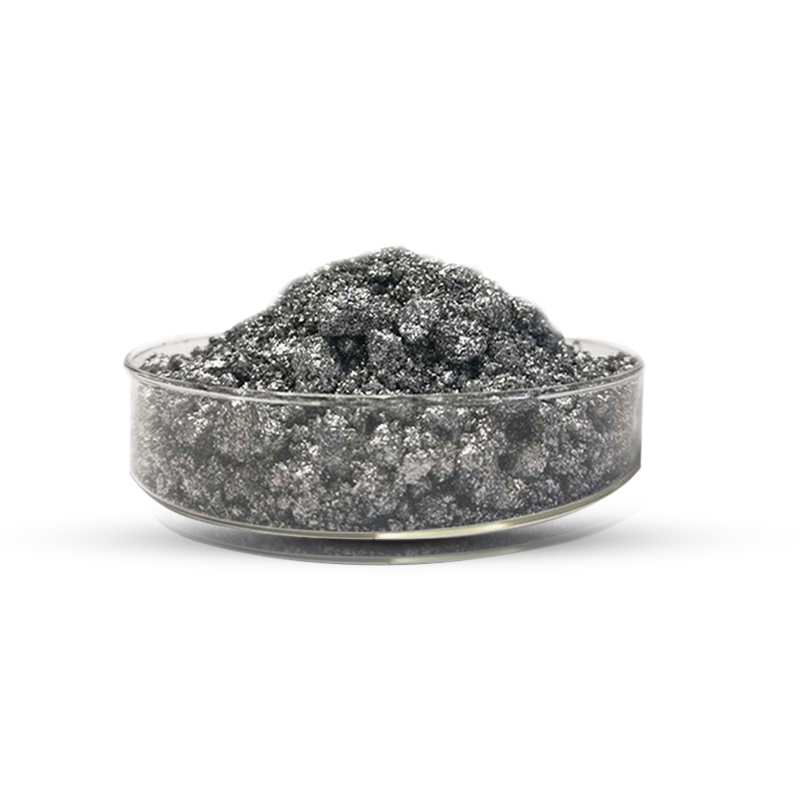
    Ⅰ.Fine white aluminum paste: Fine silver products of different grades, high, medium and low, are available in the range of 4um-20um. Generally, medium-coarse aluminum powder is used for production, and the solvent is high flash point aromatic 150# or D series dearomatized solvent. Ⅱ.Features: This series of products is prepared by special process, with high whiteness and very good hiding power, and the surface is fine and smooth. According to different characteristics and requirements, it is divided into three types: anti-corrosion fine silver, standard fine silver and high-brightness silver. Ⅲ.Application: Mainly used in hammer coatings, coil coatings, ship coatings, anti-rust primer coatings, printing inks, mobile phone shell coatings, toy coatings, motorcycles and other plastic coatings.
    Read More
  • What are the advantages of resin as a film-forming substance?
    Apr 18, 2025
    As a film-forming substance,resin has many advantages,for example: Ⅰ.It can form a continuous, uniform film with certain strength and toughness on the surface of the object, effectively protecting the surface of the object. Ⅱ.It has good resistance to chemical substances such as acid, alkali, and salt, which can extend the service life of the protected object in harsh chemical environments. Ⅲ.The film formed by most resins has low water absorption, which can prevent water penetration and avoid damage to objects due to moisture. Ⅳ.By adding different pigments and additives, coatings of various colors and different glossiness can be obtained to meet different decorative needs. Ⅴ.It can be mixed with a variety of solvents, additives, etc., and by adjusting the formula and processing technology, it can be made into coatings, inks and other products suitable for different construction methods and application scenarios.
    Read More
  • What substances need to be added to aluminum paste before it is made into paint?
    Apr 17, 2025
    Aluminum silver paste is just one of the raw materials for coatings and paints. Before making paint, it is necessary to add Solvent/Resin/Dispersant etc.! Ⅰ. Solvent: such as butyl acetate, propylene glycol methyl ether, etc. Its function is to dissolve film-forming substances such as resin and adjust the viscosity and drying speed of paint. Ⅱ. Resin: Common ones include acrylic resin, polyester resin, etc. Resin is the film-forming substance of paint and determines the basic properties of paint, such as adhesion, hardness, weather resistance, etc. Ⅲ. Dispersant: It can reduce the time and energy required for the aluminum silver paste dispersion process, stabilize the aluminum silver paste pre-dispersion, adjust its surface properties and mobility, and prevent the aluminum silver paste particles from agglomerating. Ⅳ. Silver powder alignment agent: can ensure the glossiness of the paint and make the paint present a better metallic texture. Ⅴ. Leveling agent: silicone leveling agent or acrylic leveling agent can make the paint form a flat and smooth surface during the drying process Ⅵ. Anti-settling agent: such as polyamide wax and polyethylene wax, can prevent aluminum silver paste from settling in the paint and maintain the stability of the paint system Ⅶ. Other additives: thickeners may be added to adjust the viscosity of the paint as needed, and rust inhibitors and preservatives may be added to improve the anti-corrosion performance of the paint.  
    Read More
  • The Dispersion of Aluminum paste
    Apr 04, 2025
           Before use, pre-disperse the aluminum paste with the solvent. Generally, the ratio of aluminum paste to solvent is 1:2. During the dispersion process, use low-speed stirring. Avoid stirring too fast, which will cause high shear force to destroy the shape of the aluminum paste and reduce the brightness. The best dispersion speed should be determined through experiments. This depends on many factors and the geometric dimensions of the stirring equipment (ratio of the diameter of the stirring disk to the diameter of the container, the shape of the stirring disk, etc.), temperature and viscosity of the coating, solvent selection and the amount of aluminum paste added (see the table below)
    Read More
  • Aluminum paste orientation
    Apr 03, 2025
        Brilliance, brightness, colour saturation, coverage, flop and DOl - depend not only on particles and particle size distribution, but also on the orientation of the aluminium flakes in the paint film. Best effects are achieved when the flakes lie parallel to the surface of the film. Poor orientation :leads to"clouding" or to an uneven "salt and pepper" effect. The evaporation of the solvent causes the film t shrink and virtually press the aluminium paste into a horizontal position.     The higher the solvent content of the paint, the more pronounced this effect is. This explains the observed phenomenon that pigment orientation and thus the optical properties of" low solid paints"are considerabl'y better than those of high solid paints".
    Read More
  • Shape of Aluminum paste
    Apr 02, 2025
           The ductile nature of the metal sused means that milling or crushing of spherical aluminum powder in the ball mill creates flakes with shape factors (flake thickness: flake diameter ) of 1:50 to 1:200.        Silver Dollar Shape: Using fine-grained spherical aluminum powder with extremely narrow particle size, after slow grinding process, we can get aluminum sheets with smooth surface, moderate diameter-thickness ratio, narrow particle size distribution, high sparkle and strong hiding power.         Snowflake and Scale Shape: They are made by grinding aluminum powder with coarser particle size. Statistical particle thickness can vary depending on the product and the milling technology used, i.e. the various pigments are not monodisperse particles but heterodisperse systems with a more or less statistical distribution of particle sizes and thicknesses.         Particle size distribution in metallic pigments has a decisive influence on the optical properties of the applications. It is essential, therefore, to measure particle size distribution for quality control and in order to classify the pigments, the anisotropy of the flakes makes this in difficulty
    Read More
  • Classification of Aluminum paste
    Apr 12, 2025
      Lubricants must be added at all stages of the production process to prevent from clumping, which has a unique effect on the wetting properties of metallic pigments. There are obvious differences in wetting properties between between leafing type and non-leafing type.   Leafing pigments       Due to their high surface tension leafing pigments are not wetted by the binder and therefore float on the wet film. This effect is achieved by the use of e.g. stearic acid as lubricant .       In paint systems with strongly polar solvents or binders there is always a danger that the leafing pigments will "drown" through wetting and turn into non-leafing pigments. This possibility must betaken into account       when drawing up the formula of paints. If necessary special leafing stabilized pigments should be used.   Non-leafing pigments       Non-leafing pigments are created either by the addition of strongly polar substances or wetting agents to leafing pigments or by the use of special lubricants (e.g. oleic acid) directly in the milling process.       Non-leafing pigments are completely wetted and thus spread evenly throughout the entire paint film.  
    Read More
  • Applications and Fields of Aluminum Paste
    Mar 26, 2026
    Applications and Fields of Aluminum Paste   Aluminum paste is a functional metallic pigment primarily composed of high-purity flake aluminum powder, produced through surface treatment and dispersion processes. Despite its name, it contains no elemental silver. Renowned for its metallic luster, high hiding power, physical shielding, weather resistance, heat resistance, and electrical conductivity, it has become an indispensable material in coatings, inks, plastics, electronics, anti-corrosion, and other industries. Its applications span consumer goods, industrial manufacturing, infrastructure, and specialty sectors, with well-defined uses, high performance matching, and logical consistency across all scenarios.   1. Coatings: The Core and Most Extensive Application   1.1 Automotive Coatings   Aluminum paste is a key pigment in OEM and refinish automotive coatings, enabling premium effects such as metallic sparkle, color flop, bright silver, and imitation electroplating. It balances decorative appeal and weatherability. Non-leafing aluminum paste delivers uniform films, supports clear coating and recoating, and is ideal for body finishes, wheels, and interior parts, meeting requirements for UV resistance, scratch resistance, and chemical resistance.   1.2 Industrial and Home Appliance Coatings   Used for shells of home appliances, 3C products, electromechanical equipment, and metal furniture, it provides a delicate metallic finish and protective layer. Resin-coated aluminum paste resists yellowing, acids, and alkalis, enhancing product aesthetics and service life.   1.3 Architectural Coatings   Non-leafing aluminum paste is widely used in metallic exterior wall coatings, railings, curtain walls, and decorative panels. It imparts a silver metallic appearance to buildings, while reflecting sunlight, reducing energy consumption, resisting weathering and chalking, and extending the lifespan of exterior finishes.   1.4 Coil and Powder Coatings   Aluminum paste is applied in continuous roll coating of color steel coils, aluminum coils, and metal sheets, as well as powder coating for home appliances and hardware. It ensures uniform coloring and efficient protection, adapting to industrial mass production.   2. Inks and Printing: Metallic Finish Solutions for High-End Packaging and Signage   Compatible with gravure, flexographic, and screen printing, aluminum paste is used in high-end food packaging, tobacco and wine gift boxes, labels, greeting cards, advertising posters, and signs. It prints and text bright metallic luster and high recognizability. With good dispersibility and smooth printing performance, it avoids screen clogging and ink accumulation, satisfying decorative and anti-counterfeiting demands in packaging printing.   3. Plastics and Composites: Spray-Free Metallic Effect   Added to PP, ABS, PC, and other plastic systems via masterbatch, direct blending, or injection coloring, aluminum paste achieves a metallic appearance for plastic products, replacing traditional spraying. This lowers costs, reduces VOC emissions, and improves yield rates. It is widely used in home appliance shells, automotive interiors, toys, daily necessities, and electronic product structural components, combining aesthetics and environmental friendliness.   4. Industrial Anti-Corrosion and Heavy-Duty Protection: Physical Barrier + Long-Lasting Defense   Flake aluminum paste stacks parallelly in coatings to form a dense physical shielding layer, blocking penetration by water, oxygen, salt spray, and chemicals. The sacrificial anode properties of aluminum further enhance protective performance.   Marine engineering: Resists salt spray and seawater, suitable for hulls, decks, and offshore platforms; Steel structures and infrastructure: Anti-corrosion primers and topcoats for bridges, storage tanks, pipelines, and transmission towers; High-temperature coatings: Withstands 200–600°C for engines, exhaust pipes, boilers, and other high-temperature components, providing thermal insulation and protection.   5. Electronics and Functional Materials: Conductivity and Thermal Dissipation Support   Specially surface-treated conductive aluminum paste is used in conductive coatings, shielding coatings, thermal dissipation coatings, and electrode materials. It offers moderate electrical conductivity and electromagnetic shielding, applicable to electronic device casings, circuit board shielding, and heat dissipation components, meeting lightweight and low-cost conductive requirements.   6. Other Specialty Applications   Leather and textiles: Metallic-effect printing and coatings to enhance fashion and durability; Crafts and decorations: Ornaments, accessories, and furniture silver detailing for a luxury silver finish; Water-based systems: Eco-friendly waterborne aluminum paste adapts to low-VOC coatings and inks, complying with green manufacturing standards.   Conclusion     Aluminum paste serves dual core functions: decoration and performance, covering full scenarios from consumer to industrial applications. It delivers aesthetics and protection in coatings, empowers packaging printing in inks, enables spray-free metallization in plastics, ensures infrastructure durability in anti-corrosion systems, and meets conductive and thermal management needs in electronics. With clear application logic and high compatibility between performance and scenarios, it is a highly versatile and valuable metallic pigment in modern manufacturing.  
    hot Tags : aluminum paste
    Read More
  • The Shimmering Secret: Where Pearlescent Pigments Shine ✨
    Apr 09, 2026
      Have you ever stared at a sleek car finish, a glamorous lipstick, or a sparkling gift box and wondered what gives them that enchanting, light-shifting glow? That magic is likely thanks to pearlescent pigment—a versatile and extraordinary material that’s quietly transforming everyday objects into something extraordinary. At its core, pearlescent pigment (often mistaken for pearl powder) is a fine powder crafted from materials like mica coated with titanium dioxide or other oxides. Its unique structure bends and reflects light in a way that mimics the soft, iridescent luster of natural pearls. Unlike harsh metallic pigments, it creates a gentle, shifting glow that deepens with every angle, adding a touch of luxury and elegance.   In cosmetics, pearlescent pigment is a staple. It turns ordinary eyeshadow into a multidimensional palette, gives lipsticks a creamy, luminous sheen, and makes nail polish shimmer like polished gemstones. Foundations and highlighters infused with it blur imperfections, leaving skin with a natural, dewy radiance that feels both healthy and high-end.   In design and manufacturing, its impact is far-reaching. Automotive paints use it for stunning, color-shifting car finishes that stand out on the road. Home decor items—from wall paint to decorative vases—incorporate it to add subtle depth and warmth to living spaces. Even plastic products, like children’s toys and kitchenware, get a playful, sparkling upgrade with pearlescent pigments.   Packaging and textiles also benefit greatly. Luxury gift boxes, cosmetic cases, and shopping bags coated with the pigment feel premium and thoughtful. In fashion, it adds subtle sparkle to clothing, scarves, and accessories, elevating casual wear into something eye-catching without being over the top.   From makeup bags to car doors, pearlescent pigment is the unsung hero turning the ordinary into the extraordinary. Its ability to transform light into beauty makes it an essential ingredient in products we use and admire every day.   In addition, pearl powder is also widely used in packaging and textiles. The shiny gift boxes, high-end shopping bags and even some fashionable clothes all use pearl powder to enhance the sense of grade. It is not as sharp as metal luster, but it can quietly add a touch of elegance and dreaminess to our lives.
    Read More
  • The "Silver Shine Magic" Hidden in Life | These Items All Contain Aluminum Paste ✨
    Apr 09, 2026
      Have you ever been attracted by the metallic texture of a mobile phone case, or noticed the bright silver luster of a car wheel hub? In fact, the secret behind these high-end silver shine effects is aluminum paste — it contains no silver at all. Made with ultra-fine flake aluminum powder as the core, combined with solvents and additives, it creates most of the metallic textures in our lives through the reflection of aluminum flakes.   Aluminum paste has long penetrated daily life: in 3C electronics, the delicate silver-gray color of mobile phone back covers and computer casings is mostly due to fine white aluminum paste, which not only enhances the texture but also slightly protects the internal components. In home appliances, the brushed silver panels of refrigerators and the metal button borders of microwave ovens get rid of monotony and become more exquisite because of it.   It also appears in the eye-catching packaging in supermarkets. The silver foil patterns on cigarette packs and cosmetic gift boxes, as well as the metal labels on snack packaging, are printed with fine-particle aluminum paste, resulting in delicate and shiny patterns that also provide moisture and light resistance. When traveling, the shimmer of metallic car bodies comes from flash silver aluminum paste, while the high-gloss mirror effect of wheel hubs relies on imitation electroplating aluminum paste.   This inconspicuous "silver shine magician" quietly brightens our lives with its texture, allowing ordinary items to have a high-end feel.
    Read More
  • Water-Based vs Oil-Based Aluminum Paste: Pros, Cons & Applications
    Apr 09, 2026
      Water-Based vs Oil-Based Aluminum Paste: Pros, Cons & Applications Aluminum paste is a widely used metallic pigment that brings a sleek silver luster to various products. It is mainly divided into two types according to its solvent system: water-based aluminum paste and oil-based aluminum paste. Each has unique characteristics, advantages and disadvantages, and is suitable for different application scenarios. Understanding their differences is key to choosing the right one for your needs. 1. Oil-Based Aluminum Paste As a traditional and mature type of aluminum paste, oil-based aluminum paste uses organic solvents as the dispersion medium. It has long been favored in many fields due to its excellent metallic performance. Pros • Superior brightness: Thanks to the characteristics of its solvent system and resin formula, it has high metal reflectivity, concentrated reflection, strong mirror effect, and the aluminum particles have high parallel arrangement, which can present a bright and high-end metallic luster. • Good adaptability: It has excellent compatibility with solvent-based coatings, inks and resins, and strong adhesion to substrates such as metals and plastics, making it not easy to peel off after construction. • Stable storage under proper conditions: High-quality oil-based aluminum paste can be stored at room temperature for 12-18 months, and its performance remains stable when not exposed to high temperature or direct sunlight for a long time. Cons • High environmental impact: It contains a large number of organic solvents, resulting in high VOC emissions, which is not environmentally friendly and may have a certain impact on the environment and human health. It is also subject to more restrictions under increasingly strict environmental regulations. • Poor dispersion stability: Its dispersion stability is greatly affected by the type of solvent and resin system. It needs high-shear stirring before construction to ensure uniform distribution of aluminum particles, otherwise aluminum flake sedimentation and viscosity changes may occur. • Safety risks: Organic solvents are flammable and volatile, which may bring potential safety hazards during production, transportation and construction. Applications It is mainly used in scenarios with high requirements for metallic luster and less environmental constraints, such as high-end automotive exterior parts, wheel hubs and bumpers, high-end decorative industrial coatings, household appliance panels with strict metallic texture requirements, and some solvent-based inks and plastic coatings. 2. Water-Based Aluminum Paste With the tightening of global environmental protection policies, water-based aluminum paste, which takes water as the main dispersion medium, has gradually become the mainstream choice for green coating. It has been continuously upgraded in technology and can now meet the needs of most application scenarios. Pros • Environmentally friendly: It greatly reduces the use of organic solvents, with low VOC emissions, which is in line with the development trend of green and low-carbon. It has a low odor during production and construction, and is more friendly to the environment and construction personnel. • Excellent dispersion stability: Through special surface modification treatment, it has good wettability and chemical stability in water, with excellent anti-settling performance. It can restore uniformity with low-shear stirring, and its performance remains stable in both high and low temperature environments. • Wide applicability: It has good compatibility with water-based coatings and inks, and is suitable for a variety of substrates, including metals, plastics, paper and wood. It is also easy to construct and suitable for large-area coating operations. Cons • Slightly inferior brightness: In the early stage, its brightness was slightly lower than that of oil-based aluminum paste. Although modern technology has made it close to oil-based products, it still has a slight disadvantage in scenarios requiring extreme mirror reflection effects. • Strict storage requirements: Although it has good environmental adaptability, it is still necessary to avoid moisture and high temperature during storage to prevent aluminum flakes from oxidizing and affecting performance. • Higher cost: The production process of water-based aluminum paste is more complex, requiring surface coating and passivation treatment, so its cost is generally higher than that of oil-based aluminum paste. Applications It is widely used in scenarios with strict environmental protection requirements, such as the coating of public facilities, the appearance parts of household appliances, the shells of 3C products, indoor decorative coatings, water-based inks, and large-area metal effect construction. It is also an important material for the green upgrading of the coating industry. Summary Oil-based aluminum paste is the first choice for pursuing high-brightness metallic luster, while water-based aluminum paste is more suitable for green, environmentally friendly and large-scale construction needs. With the continuous advancement of technology, the performance gap between the two is gradually narrowing, providing more flexible choices for different application scenarios.
    Read More
1 2
A total of2pages

leave a message

leave a message
If you are interested in our products and want to know more details,please leave a message here,we will reply you as soon as we can.
submit

home

products

WhatsApp

CONTACT US